


Hurricane Melissa Ravages Jamaican Towns, Leaving Devastation in Its Wake
By the Ark Magazine News Staff
Published 4 November 2025
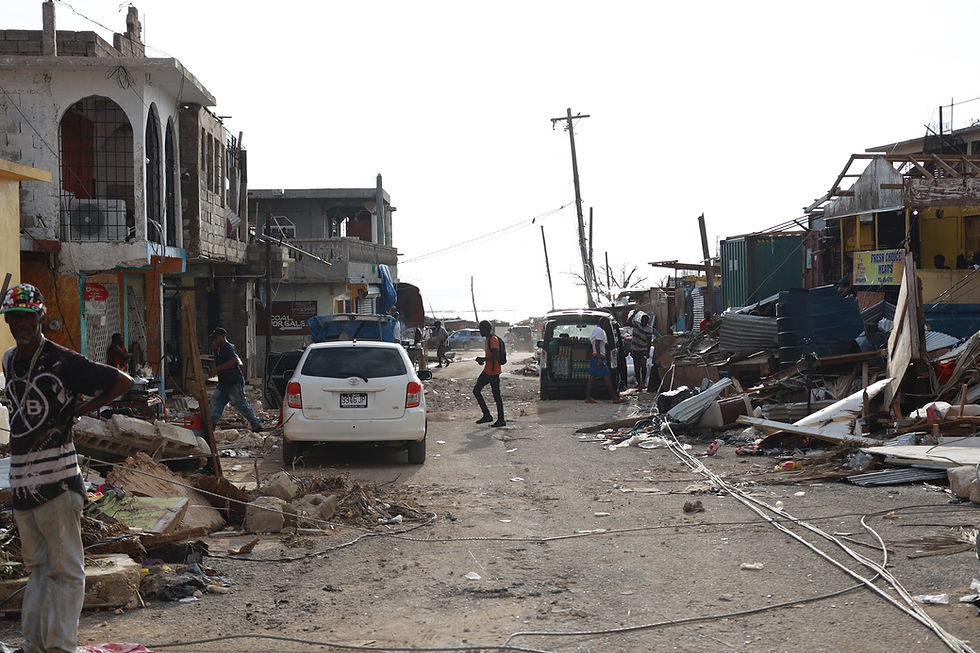
JAMAICA — In the aftermath of Hurricane Melissa, the southwestern coast of Jamaica has been left in ruins, its towns and villages devastated by the ferocious Category 5 storm. With sustained winds of 185 miles per hour and torrential rainfall measuring up to three feet in some areas, the hurricane unleashed destruction on a scale rarely seen in the region.
Black River, a once-thriving town, now stands as the epicenter of the devastation. Streets are littered with rubble, power lines lie mangled on the ground, and homes are reduced to skeletal structures. The stench of decay lingers in the air, a grim reminder of the storm's ferocity.
“It feels like our land has been poisoned,” one resident remarked, his voice heavy with despair as he described the loss of access to clean water and basic necessities.
Survivors Struggle Amid the Rubble
For many Jamaicans, the storm turned their lives upside down overnight. In the days leading up to the hurricane, residents of Black River had running water, electricity, and a semblance of normalcy. Now, they face long lines for gasoline, wash clothes in rainwater, and scavenge for any available supplies. Families huddle together in makeshift shelters, uncertain of when—or if—aid will arrive.
Among those hardest hit are residents like Jyn Parkinson, who lost everything when the storm tore through his home.
“Everything is gone—shoes, clothes, the bed—everything,” Parkinson said. “We don’t have anywhere to live now.” He, like many others, is hoping for outside assistance to help rebuild his life.
A Landscape Transformed
The storm's impact on the landscape is equally staggering. Entire hillsides have been stripped bare of vegetation, and the coastline is unrecognizable, reshaped by the relentless assault of the sea. Roads are impassable, blocked by landslides and fallen trees, further complicating rescue and relief efforts. In the mountains, where communities are now isolated, food and medical supplies are critically needed.
“This feels like a combination of all the world’s natural disasters rolled into one,” said one relief worker surveying the damage.
Churches, schools, and businesses that stood for generations have been reduced to rubble. The interior of one historic church in Black River has completely collapsed—its once-proud brick walls now lying in a heap of debris.
Aid Efforts Underway, But More Needed
Relief efforts have begun trickling into the region, but the scale of the disaster has overwhelmed local authorities. Helicopters carrying food, water, and emergency supplies are landing in the hardest-hit areas, but many roads remain impassable. International organizations, including the U.S. State Department and relief teams from El Salvador and California, are working to bring aid to those in need.
Despite these efforts, survivors are growing desperate. “We need food, water, and somewhere to live,” one man pleaded, echoing the sentiments of countless others.
Relief workers on the ground, including meteorologist Robert Ray, have been distributing granola bars and bottled water, but resources remain scarce.
A Tale of Two Jamaicas
While the western and southwestern regions of Jamaica bear the brunt of the hurricane's wrath, other parts of the island remain untouched. Kingston, the bustling capital in the east, has become a critical hub for relief operations. Its functioning airport is serving as a lifeline, enabling the transport of goods and personnel to affected areas.
This stark contrast has brought into sharp focus the uneven nature of the disaster’s impact.
“When you focus on one place, on even just one part of one country, you begin to realize just how devastating it is for so many individuals and families,” Ray observed.
Resilience Amid Despair
Amid the rubble and ruin, stories of courage and resilience shine through. Many survivors credit their survival to what they describe as divine intervention.
“It’s a miracle we’re alive,” one resident said.
Others are already beginning to envision rebuilding their communities, though they acknowledge the challenges ahead.
As aid flows in and the world turns its attention to Jamaica, residents of Black River and surrounding towns are holding on to hope—even amid what one survivor described as “hell on Earth.”
For now, prayers and urgent action remain essential. Relief organizations and governments must act swiftly to address the dire needs of those affected.
As one resident poignantly put it, “We may have lost everything, but we’re still here. And that means something.”
Sources
Eyewitness Accounts and Interviews
Transcripts of interviews with residents, relief workers, and meteorologist Robert Ray, who reported live from Black River, Jamaica.
Jamaican Government and Local Authorities
Updates from Jamaican emergency services and local officials on the relief efforts in affected areas.
Office of Disaster Preparedness and Emergency Management (ODPEM)
International Relief Organizations
Reports and press releases from global aid organizations working on the ground in Jamaica.
International Federation of Red Cross and Red Crescent Societies (IFRC)
Humanitarian Groups
Updates from organizations like Food For The Poor, detailing their response to the disaster.
News and Weather Outlets
Real-time weather updates and analyses of Hurricane Melissa from meteorological experts.
On-the-Ground Observations
Footage and testimonials shared by relief workers and journalists documenting the devastation.
If you would like to support relief efforts in Jamaica, consider donating to organizations like the Red Cross or other reputable aid groups working on the ground. Volunteers to help on the ground should go through these groups:
Reputable Aid Groups on the Ground in Jamaica
If you wish to support relief efforts for those affected by Hurricane Melissa, consider donating to the following organizations actively working in the region:
Jamaican Red Cross
Website: www.jamaicaredcross.org
The Jamaican Red Cross is providing emergency response services, including shelters, food distribution, and medical aid to affected communities.
Food For The Poor
Website: www.foodforthepoor.org
One of the largest relief organizations in the Caribbean, Food For The Poor is distributing food, water, and essential supplies to those impacted.
International Federation of Red Cross and Red Crescent Societies (IFRC)
Website: www.ifrc.org
The IFRC is partnering with the Jamaican Red Cross to provide additional support, including logistics and disaster response expertise.
UNICEF Jamaica
Website: www.unicef.org/jamaica
UNICEF is focusing on providing clean water, hygiene supplies, and support for children and families affected by the hurricane.
World Food Programme (WFP)
Website: www.wfp.org
The WFP is working to ensure food security in the hardest-hit areas, delivering emergency food rations to those in need.
Team Rubicon
Website: www.teamrubiconusa.org
This disaster response organization, led by veteran volunteers, is assisting with search and rescue operations and debris removal.
Doctors Without Borders (Médecins Sans Frontières)
Website: www.doctorswithoutborders.org
Providing emergency medical care and public health support in areas where healthcare services have been disrupted.
Catholic Relief Services (CRS)
Website: www.crs.org
CRS is offering aid in the form of emergency shelter, food, and water distribution to affected families.
How to Help
Donate Funds: Monetary donations are often the most effective way to support disaster relief efforts, as they enable organizations to purchase supplies locally and respond quickly.
Volunteer Locally: If you are in Jamaica or nearby, consider volunteering with local aid groups.
Raise Awareness: Share verified information about the crisis to encourage others to contribute to relief efforts.
By supporting these organizations, you can help make a difference in the lives of those affected by Hurricane Melissa.


Comments